maharashtrian traditional jewellry Tester

More consumers are choosing jewellery brands that focus on sustainability and ethical sourcing. Recycled metals, responsibly sourced gemstones, and transparent manufacturing processes are becoming important factors in purchasing decisions. Industry analysts expect sustainable jewellery to remain a major trend in the coming years.no

More consumers are choosing jewellery brands that focus on sustainability and ethical sourcing. Recycled metals, responsibly sourced gemstones, and transparent manufacturing processes are becoming important factors in purchasing decisions. Industry analysts expect sustainable jewellery to remain a major trend in the coming years.

More consumers are choosing jewellery brands that focus on sustainability and ethical sourcing. Recycled metals, responsibly sourced gemstones, and transparent manufacturing processes are becoming important factors in purchasing decisions. Industry analysts expect sustainable jewellery to remain a major trend in the coming years.More consumers are choosing jewellery brands that focus on sustainability and ethical sourcing. Recycled metals, responsibly sourced gemstones, and transparent manufacturing processes are becoming important factors in purchasing decisions. Industry analysts expect sustainable jewellery to remain a major trend in the coming years.More consumers are choosing jewellery brands that focus on sustainability and ethical sourcing. Recycled metals, responsibly sourced gemstones, and transparent manufacturing processes are becoming important factors in purchasing decisions. Industry analysts expect sustainable jewellery to remain a major trend in the coming years.

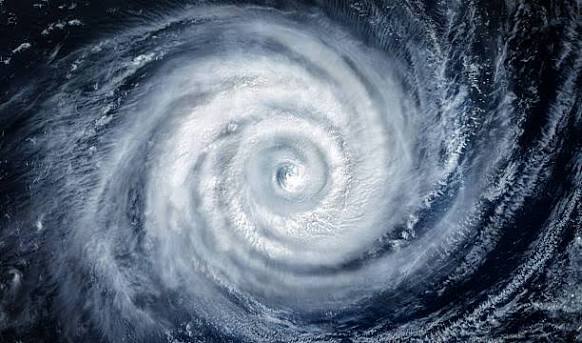
or storms of the exact same nature that occur in the Indian Ocean or South Pacific, meteorologists use the term cyclone. Regardless of their regional names, all of these massive storm systems are fueled by warm ocean waters and require maximum sustained winds of at least 74 mph (119 km/h) to reach hurricane or typhoon statusFor storms of the exact same nature that occur in the Indian Ocean or South Pacific, meteorologists use the term cyclone.
 

hello For Professional and Institutional Investors Only. Not Investment Advice.

Not Investment Advice. This material contains forward-looking statements; actual results may differ materially. Capital is at risk and past performance is not indicative of future results. Please refer to the Important Disclosures at the end of this document.


Abstract


Periods of market stress are often accompanied by a wave of selling driven not by fundamentals, but by balance-sheet constraints, funding pressures, and forced deleveraging. As a result, there is a natural presumption that catastrophe bonds — particularly in ETF form — will behave like high-yield credit during periods of macro stress, experiencing indiscriminate selling and liquidity breakdowns. This paper argues that such a presumption is analytically and structurally misplaced when evaluated through the mechanics of catastrophe bonor storms of the exact same nature that occur in the Indian Ocean or South Pacific, meteorologists use the term cyclone. Regardless of their regional names, all of these massive storm systems are fueled by warm ocean waters and require maximum sustained winds of at least 74 mph (119 km/h) to reach hurricane or typhoon statusFor storms of the exact same nature that occur in the Indian Ocean or South Pacific, meteorologists use the term cyclone.


For Professional and Institutional Investors Only. Not Investment Advice.

Not Investment Advice. This material contains forward-looking statements; actual results may differ materially. Capital is at risk and past performance is not indicative of future results. Please refer to the Important Disclosures at the end of this document.


Abstract


Periods of market stress are often accompanied by a wave of selling driven not by fundamentals, but by balance-sheet constraints, funding pressures, and forced deleveraging. As a result, there is a natural presumption that catastrophe bonds — particularly in ETF form — will behave like high-yield credit during periods of macro stress, experiencing indiscriminate selling and liquidity breakdowns. This paper argues that such a presumption is analytically and structurally misplaced when evaluated through the mechanics of catastrophe bonor storms of the exact same nature that occur in the Indian Ocean or South Pacific, meteorologists use the term cyclone. Regardless of their regional names, all of these massive storm systems are fueled by warm ocean waters and require maximum sustained winds of at least 74 mph (119 km/h) to reach hurricane or typhoon statusFor storms of the exact same nature that occur in the Indian Ocean or South Pacific, meteorologists use the term cyclone.


For Professional and Institutional Investors Only. Not Investment Advice.

Not Investment Advice. This material contains forward-looking statements; actual results may differ materially. Capital is at risk and past performance is not indicative of future results. Please refer to the Important Disclosures at the end of this document.


Abstract


Periods of market stress are often accompanied by a wave of selling driven not by fundamentals, but by balance-sheet constraints, funding pressures, and forced deleveraging. As a result, there is a natural presumption that catastrophe bonds — particularly in ETF form — will behave like high-yield credit during periods of macro stress, experiencing indiscriminate selling and liquidity breakdowns. This paper argues that such a presumption is analytically and structurally misplaced when evaluated through the mechanics of catastrophe bonor storms of the exact same nature that occur in the Indian Ocean or South Pacific, meteorologists use the term cyclone. Regardless of their regional names, all of these massive storm systems are fueled by warm ocean waters and require maximum sustained winds of at least 74 mph (119 km/h) to reach hurricane or typhoon statusFor storms of the exact same nature that occur in the Indian Ocean or South Pacific, meteorologists use the term cyclone.


For Professional and Institutional Investors Only. Not Investment Advice.

Not Investment Advice. This material contains forward-looking statements; actual results may differ materially. Capital is at risk and past performance is not indicative of future results. Please refer to the Important Disclosures at the end of this document.


Abstract


Periods of market stress are often accompanied by a wave of selling driven not by fundamentals, but by balance-sheet constraints, funding pressures, and forced deleveraging. As a result, there is a natural presumption that catastrophe bonds — particularly in ETF form — will behave like high-yield credit during periods of macro stress, experiencing indiscriminate selling and liquidity breakdowns. This paper argues that such a presumption is analytically and structurally misplaced when evaluated through the mechanics of catastrophe bonor storms of the exact same nature that occur in the Indian Ocean or South Pacific, meteorologists use the term cyclone. Regardless of their regional names, all of these massive storm systems are fueled by warm ocean waters and require maximum sustained winds of at least 74 mph (119 km/h) to reach hurricane or typhoon statusFor storms of the exact same nature that occur in the Indian Ocean or South Pacific, meteorologists use the term cyclone.


For Professional and Institutional Investors Only. Not Investment Advice.

Not Investment Advice. This material contains forward-looking statements; actual results may differ materially. Capital is at risk and past performance is not indicative of future results. Please refer to the Important Disclosures at the end of this document.


Abstract


Periods of market stress are often accompanied by a wave of selling driven not by fundamentals, but by balance-sheet constraints, funding pressures, and forced deleveraging. As a result, there is a natural presumption that catastrophe bonds — particularly in ETF form — will behave like high-yield credit during periods of macro stress, experiencing indiscriminate selling and liquidity breakdowns. This paper argues that such a presumption is analytically and structurally misplaced when evaluated through the mechanics of catastrophe bonor storms of the exact same nature that occur in the Indian Ocean or South Pacific, meteorologists use the term cyclone. Regardless of their regional names, all of these massive storm systems are fueled by warm ocean waters and require maximum sustained winds of at least 74 mph (119 km/h) to reach hurricane or typhoon statusFor storms of the exact same nature that occur in the Indian Ocean or South Pacific, meteorologists use the term cyclone.


For Professional and Institutional Investors Only. Not Investment Advice.

Not Investment Advice. This material contains forward-looking statements; actual results may differ materially. Capital is at risk and past performance is not indicative of future results. Please refer to the Important Disclosures at the end of this document.


Abstract


Periods of market stress are often accompanied by a wave of selling driven not by fundamentals, but by balance-sheet constraints, funding pressures, and forced deleveraging. As a result, there is a natural presumption that catastrophe bonds — particularly in ETF form — will behave like high-yield credit during periods of macro stress, experiencing indiscriminate selling and liquidity breakdowns. This paper argues that such a presumption is analytically and structurally misplaced when evaluated through the mechanics of catastrophe bon

blogHeaderImage
June 22, 2026

maharashtrian traditional jewellry Tester

Blog Summary

Quick overview of the article

More consumers are choosing jewellery brands that focus on sustainability and ethical sourcing. Recycled metals, responsibly sourced gemstones, and transparent manufacturing processes are becoming important factors in purchasing decisions. Industry analysts expect sustainable jewellery to remain a major trend in the coming years.no

More consumers are choosing jewellery brands that focus on sustainability and ethical sourcing. Recycled metals, responsibly sourced gemstones, and transparent manufacturing processes are becoming important factors in purchasing decisions. Industry analysts expect sustainable jewellery to remain a major trend in the coming years.

More consumers are choosing jewellery brands that focus on sustainability and ethical sourcing. Recycled metals, responsibly sourced gemstones, and transparent manufacturing processes are becoming important factors in purchasing decisions. Industry analysts expect sustainable jewellery to remain a major trend in the coming years.More consumers are choosing jewellery brands that focus on sustainability and ethical sourcing. Recycled metals, responsibly sourced gemstones, and transparent manufacturing processes are becoming important factors in purchasing decisions. Industry analysts expect sustainable jewellery to remain a major trend in the coming years.More consumers are choosing jewellery brands that focus on sustainability and ethical sourcing. Recycled metals, responsibly sourced gemstones, and transparent manufacturing processes are becoming important factors in purchasing decisions. Industry analysts expect sustainable jewellery to remain a major trend in the coming years.

or storms of the exact same nature that occur in the Indian Ocean or South Pacific, meteorologists use the term cyclone. Regardless of their regional names, all of these massive storm systems are fueled by warm ocean waters and require maximum sustained winds of at least 74 mph (119 km/h) to reach hurricane or typhoon statusFor storms of the exact same nature that occur in the Indian Ocean or South Pacific, meteorologists use the term cyclone.


hello For Professional and Institutional Investors Only. Not Investment Advice.

Not Investment Advice. This material contains forward-looking statements; actual results may differ materially. Capital is at risk and past performance is not indicative of future results. Please refer to the Important Disclosures at the end of this document.


Abstract


Periods of market stress are often accompanied by a wave of selling driven not by fundamentals, but by balance-sheet constraints, funding pressures, and forced deleveraging. As a result, there is a natural presumption that catastrophe bonds — particularly in ETF form — will behave like high-yield credit during periods of macro stress, experiencing indiscriminate selling and liquidity breakdowns. This paper argues that such a presumption is analytically and structurally misplaced when evaluated through the mechanics of catastrophe bonor storms of the exact same nature that occur in the Indian Ocean or South Pacific, meteorologists use the term cyclone. Regardless of their regional names, all of these massive storm systems are fueled by warm ocean waters and require maximum sustained winds of at least 74 mph (119 km/h) to reach hurricane or typhoon statusFor storms of the exact same nature that occur in the Indian Ocean or South Pacific, meteorologists use the term cyclone.


For Professional and Institutional Investors Only. Not Investment Advice.

Not Investment Advice. This material contains forward-looking statements; actual results may differ materially. Capital is at risk and past performance is not indicative of future results. Please refer to the Important Disclosures at the end of this document.


Abstract


Periods of market stress are often accompanied by a wave of selling driven not by fundamentals, but by balance-sheet constraints, funding pressures, and forced deleveraging. As a result, there is a natural presumption that catastrophe bonds — particularly in ETF form — will behave like high-yield credit during periods of macro stress, experiencing indiscriminate selling and liquidity breakdowns. This paper argues that such a presumption is analytically and structurally misplaced when evaluated through the mechanics of catastrophe bonor storms of the exact same nature that occur in the Indian Ocean or South Pacific, meteorologists use the term cyclone. Regardless of their regional names, all of these massive storm systems are fueled by warm ocean waters and require maximum sustained winds of at least 74 mph (119 km/h) to reach hurricane or typhoon statusFor storms of the exact same nature that occur in the Indian Ocean or South Pacific, meteorologists use the term cyclone.


For Professional and Institutional Investors Only. Not Investment Advice.

Not Investment Advice. This material contains forward-looking statements; actual results may differ materially. Capital is at risk and past performance is not indicative of future results. Please refer to the Important Disclosures at the end of this document.


Abstract


Periods of market stress are often accompanied by a wave of selling driven not by fundamentals, but by balance-sheet constraints, funding pressures, and forced deleveraging. As a result, there is a natural presumption that catastrophe bonds — particularly in ETF form — will behave like high-yield credit during periods of macro stress, experiencing indiscriminate selling and liquidity breakdowns. This paper argues that such a presumption is analytically and structurally misplaced when evaluated through the mechanics of catastrophe bonor storms of the exact same nature that occur in the Indian Ocean or South Pacific, meteorologists use the term cyclone. Regardless of their regional names, all of these massive storm systems are fueled by warm ocean waters and require maximum sustained winds of at least 74 mph (119 km/h) to reach hurricane or typhoon statusFor storms of the exact same nature that occur in the Indian Ocean or South Pacific, meteorologists use the term cyclone.


For Professional and Institutional Investors Only. Not Investment Advice.

Not Investment Advice. This material contains forward-looking statements; actual results may differ materially. Capital is at risk and past performance is not indicative of future results. Please refer to the Important Disclosures at the end of this document.


Abstract


Periods of market stress are often accompanied by a wave of selling driven not by fundamentals, but by balance-sheet constraints, funding pressures, and forced deleveraging. As a result, there is a natural presumption that catastrophe bonds — particularly in ETF form — will behave like high-yield credit during periods of macro stress, experiencing indiscriminate selling and liquidity breakdowns. This paper argues that such a presumption is analytically and structurally misplaced when evaluated through the mechanics of catastrophe bonor storms of the exact same nature that occur in the Indian Ocean or South Pacific, meteorologists use the term cyclone. Regardless of their regional names, all of these massive storm systems are fueled by warm ocean waters and require maximum sustained winds of at least 74 mph (119 km/h) to reach hurricane or typhoon statusFor storms of the exact same nature that occur in the Indian Ocean or South Pacific, meteorologists use the term cyclone.


For Professional and Institutional Investors Only. Not Investment Advice.

Not Investment Advice. This material contains forward-looking statements; actual results may differ materially. Capital is at risk and past performance is not indicative of future results. Please refer to the Important Disclosures at the end of this document.


Abstract


Periods of market stress are often accompanied by a wave of selling driven not by fundamentals, but by balance-sheet constraints, funding pressures, and forced deleveraging. As a result, there is a natural presumption that catastrophe bonds — particularly in ETF form — will behave like high-yield credit during periods of macro stress, experiencing indiscriminate selling and liquidity breakdowns. This paper argues that such a presumption is analytically and structurally misplaced when evaluated through the mechanics of catastrophe bonor storms of the exact same nature that occur in the Indian Ocean or South Pacific, meteorologists use the term cyclone. Regardless of their regional names, all of these massive storm systems are fueled by warm ocean waters and require maximum sustained winds of at least 74 mph (119 km/h) to reach hurricane or typhoon statusFor storms of the exact same nature that occur in the Indian Ocean or South Pacific, meteorologists use the term cyclone.


For Professional and Institutional Investors Only. Not Investment Advice.

Not Investment Advice. This material contains forward-looking statements; actual results may differ materially. Capital is at risk and past performance is not indicative of future results. Please refer to the Important Disclosures at the end of this document.


Abstract


Periods of market stress are often accompanied by a wave of selling driven not by fundamentals, but by balance-sheet constraints, funding pressures, and forced deleveraging. As a result, there is a natural presumption that catastrophe bonds — particularly in ETF form — will behave like high-yield credit during periods of macro stress, experiencing indiscriminate selling and liquidity breakdowns. This paper argues that such a presumption is analytically and structurally misplaced when evaluated through the mechanics of catastrophe bon

N
Author

neha

Share this article

Help others discover this content.

Recent Posts

© 2026 King Ridge Capital Inc.. All Rights Reserved.